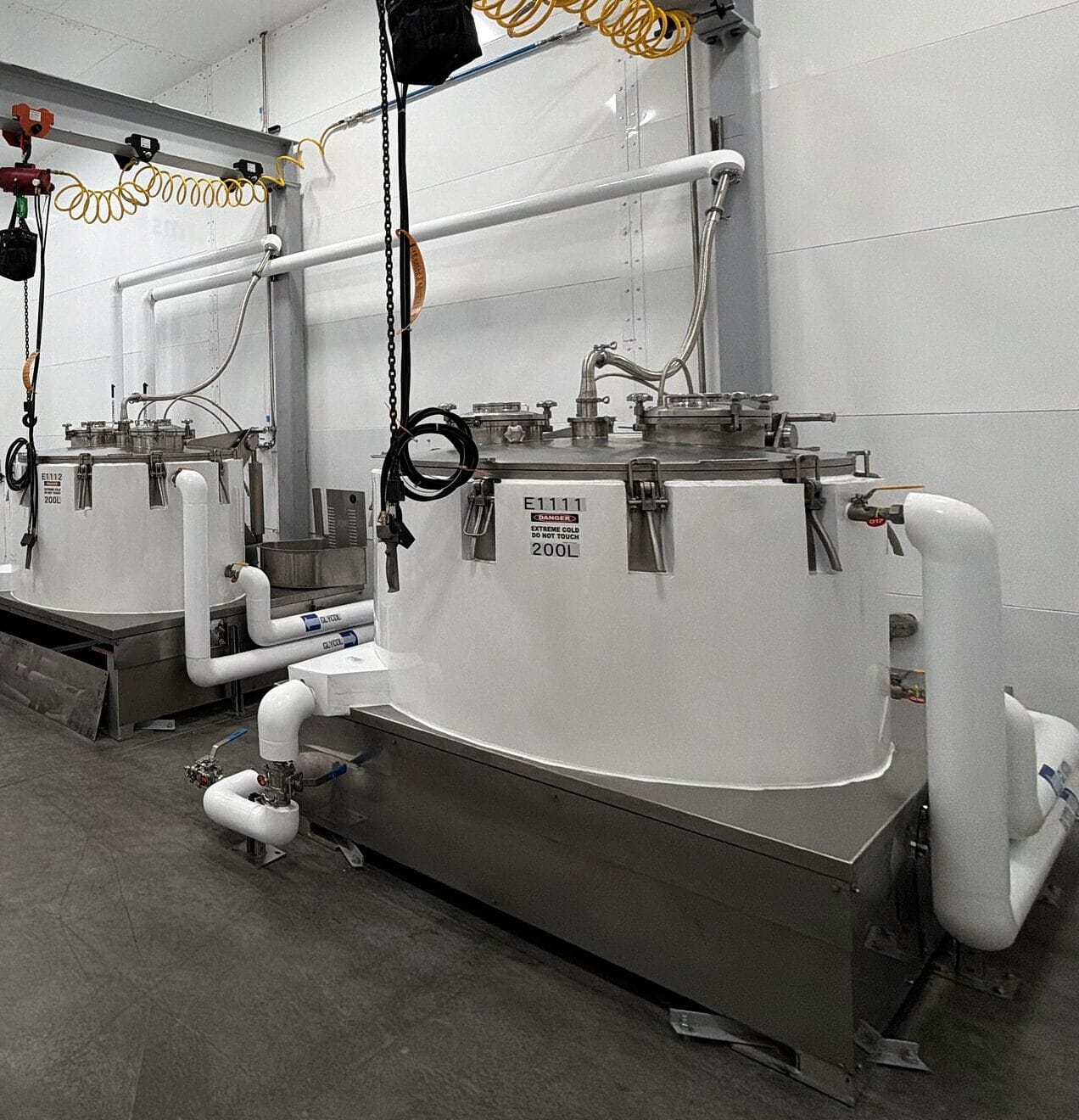
We still run the equipment we build.
G‑Force was founded by extractors and chemists, and they still run their own production on the equipment they build.
What running a lab taught us
G‑Force started as a refinement lab. Running it showed the founders what the industry was short of: industrial extractors that could be delivered quickly and run by trained operators, not chemists.
So they built them around the operator, the cycle and the floor, and kept running their own production on them.
The catalog grew from hemp into kratom, kava, canna and functional mushrooms, essential oils, protein, and brewing and distillation. The approach stayed the same: size the line to what you process, design the room around it if you want, train your operators on site, and support it ourselves.
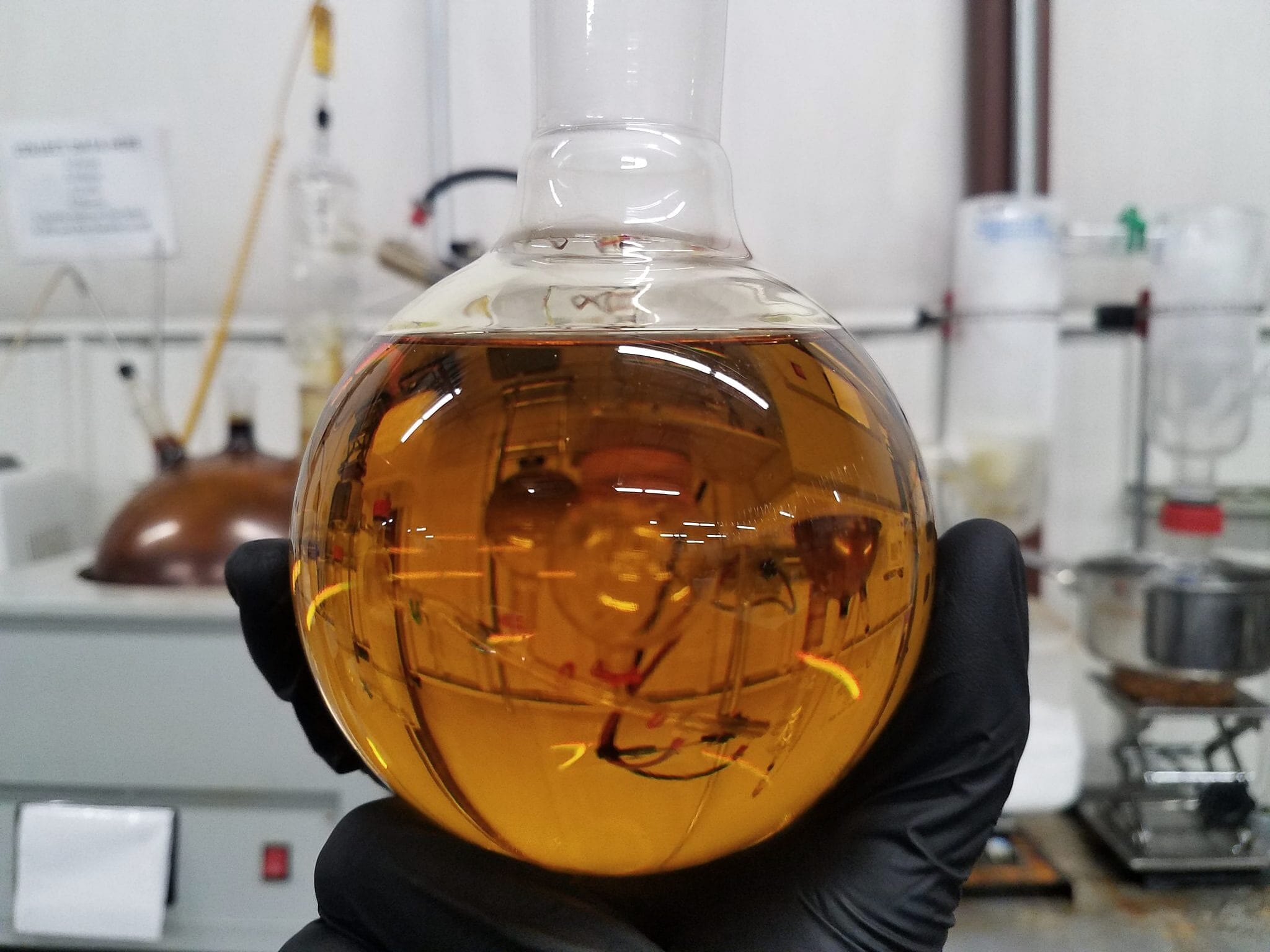
Sizing.
What you process, how much, and what you pay to toll today.
Line Sizing Plan.
The system, the quote and the comparison with your toll bill.
Build.
Install and train.
Your operators trained on your floor before the first run.
Support.
You call G‑Force directly.
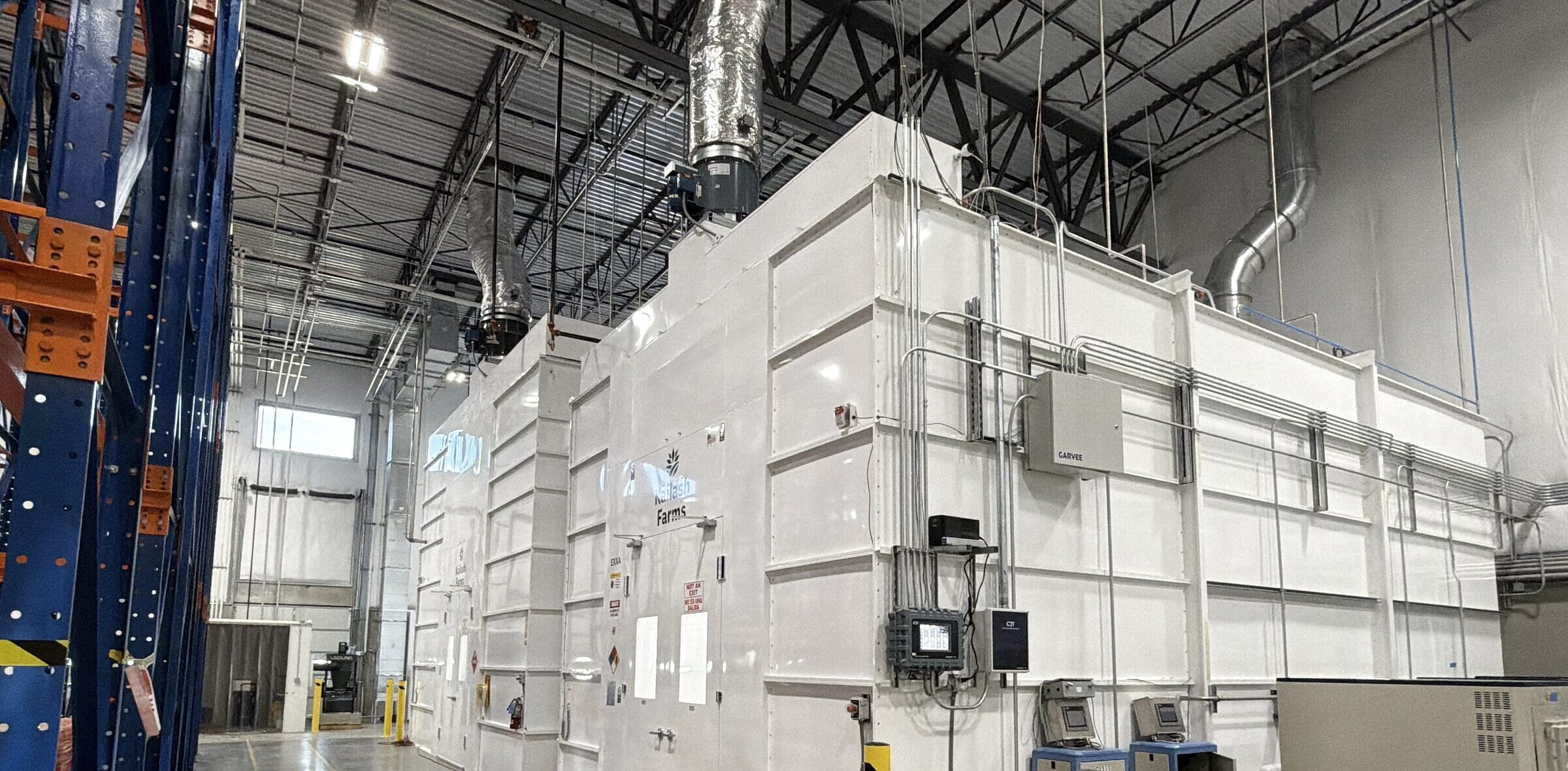
The shop is in Loveland, Colorado.
How the lines work
- Cold ethanol
- Biomass to winterized crude in one pass. 30-minute cycles, 98 percent of the ethanol recovered, 0.5 to 1 percent of cannabinoids left in spent biomass on average.
- Hydrocarbon essence
- The botanical is washed in solvent, the solvent is recovered inside the system, and a concentrated essence remains, closer to an absolute than to a distilled oil.
- Alkaloid and resin
- Extraction, separation and concentration in one system, rated on one 8-hour shift.
- Protein
- A 60 to 75 percent concentrate first, with a separation stage that takes it to a 90 percent-plus isolate.
Get your line sized.
Tell us what you process, how much each month and what your processor charges you now. We'll send back the system that fits and the quote, next to what you pay to toll today. If tolling is still cheaper at your volume, we'll say so.
Don't have every number yet? Send what you have. We'll ask the rest.
Or call 978-265-1696